

AEO usually affects how search engines and AI systems understand, extract, and cite information. That means “results” are often a combination of ranking improvements, richer SERP features, and more brand mentions in AI-driven experiences.
What does “results” actually mean in AEO?
An AEO search agency focuses on results like more frequent inclusion in answer boxes, AI Overviews, and other “direct answer” placements. It also means clearer topical authority, better structured content, and higher confidence signals that make a site easier to cite.
Unlike classic SEO, AEO success is not only measured by positions. It is also measured by whether the brand becomes the recommended source when users ask questions.
How quickly can they expect to see changes?
Many teams see early technical and on-page wins within 2 to 6 weeks, especially if the agency fixes crawl, indexation, internal linking, and schema gaps fast. Noticeable answer-feature traction often takes 6 to 12 weeks, depending on publishing velocity and how strong competitors are.
More durable gains, such as consistent AI citations across many queries, often take 3 to 6 months. This is especially true in YMYL categories where trust signals matter more.
What visibility gains should they expect in Google and AI experiences?
AEO agencies typically target placements like featured snippets, “People also ask,” AI Overviews, and other rich results. The most common visible outcome is an increase in impressions for question-based queries and long-tail informational searches.
For AI experiences, the best-case outcome is being cited as a source or becoming the recommended brand in summarized answers. The realistic outcome is gradual growth in mentions and citations as content coverage and entity signals improve.
What traffic outcomes are realistic, and why might clicks drop even when visibility rises?
They should expect mixed traffic patterns. Answer placements can increase impressions while lowering clicks, because users may get what they need directly on the SERP or inside an AI summary.
The practical goal is not “more clicks at all costs.” It is more qualified sessions and better conversion paths, especially for mid-funnel queries where users still need a deeper explanation, tool, comparison, or next step.
What lead and revenue impact can they expect?
AEO can lift leads when the agency aligns question-led content with intent and clear next actions. If the content answers the query completely and then offers a relevant step, conversions tend to follow.
The clearest revenue impact usually appears in these areas:
- Higher conversion rate from better-matched landing pages
- More branded search as visibility expands
- More assisted conversions from informational visits that later return
What content improvements should they expect the agency to deliver?
They should expect content that is built around questions, concise answers, and scannable structure. Strong AEO content typically includes clear definitions, steps, comparisons, and “why it matters” context that is easy to extract.
They should also expect content refreshes, not only new posts. Updating key pages to match current intent is often faster than publishing from scratch.
What technical and schema results should they expect?
Most AEO agencies deliver a cleaner foundation for extraction and understanding. That usually includes structured data improvements, better internal linking, improved page templates, and clearer entity relationships.
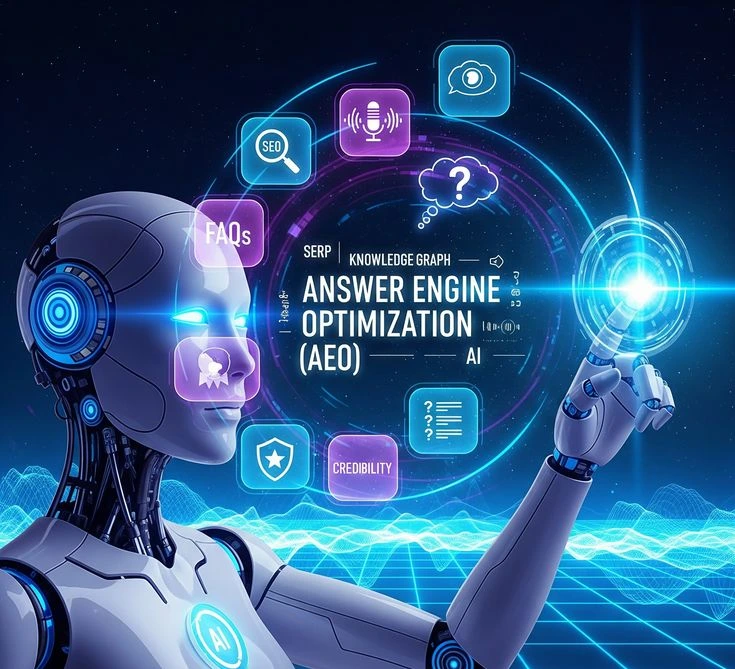
Common deliverables include FAQ, HowTo, Article, Organization, Product, Review, and Breadcrumb schema, used selectively and correctly. The point is not to “add schema everywhere.” The point is to make content unambiguous and easy to parse. See key skills to look for in an Umbraco developer in Sydney.
How will they measure success if rankings are not the whole story?
AEO measurement usually combines classic SEO metrics with answer-surface metrics. They should expect reporting that tracks visibility across question sets, snippet ownership, and brand mentions inside AI answers where possible.
Useful metrics often include:
- Impression growth for question-based queries
- Featured snippet and PAA presence
- Branded search lift
- Engagement and conversion rate by intent cluster
- Lead quality and assisted conversion paths
What deliverables should they expect month to month?
They should expect a consistent cadence, not one-time audits that sit in a folder. A typical month includes content briefs, updates, technical tasks, internal linking work, and measurement.
They should also expect the agency to prioritize. AEO can create an endless backlog, so the value is in choosing the few actions most likely to improve extractability, authority, and conversion.
What risks or limitations should they expect?
They should expect that no agency can guarantee AI citations or permanent snippet ownership. SERPs change, competitors copy, and Google may rewrite answer formats without warning.
They should also expect that weak fundamentals limit outcomes. If a brand has thin content, unclear positioning, or low trust signals, AEO work still helps, but results tend to be slower and less dramatic.
How can they tell if the agency is actually delivering AEO value?
They should look for proof that the agency is improving how information is understood and reused, not just publishing generic blog posts. The best signal is a growing footprint across question queries, more rich results, and clearer conversion impact.
They can also sanity-check the work by asking: are they becoming the source that gets quoted, summarized, and recommended? If the answer is trending toward “yes,” the agency is doing the job.
FAQs (Frequently Asked Questions)
What does ‘results’ mean in AI-Enhanced Optimization (AEO)?
In AEO, ‘results’ refer to more frequent inclusion in answer boxes, AI Overviews, and other direct answer placements. It also encompasses clearer topical authority, better structured content, and higher confidence signals that make a site easier to cite. Success is measured not only by rankings but also by becoming the recommended source when users ask questions.
How quickly can teams expect to see changes after hiring an AEO agency?
Early technical and on-page improvements are often visible within 2 to 6 weeks, especially if crawl, indexation, internal linking, and schema issues are promptly addressed. Noticeable traction in answer features typically takes 6 to 12 weeks depending on publishing frequency and competition strength. More durable gains like consistent AI citations usually require 3 to 6 months, particularly in YMYL categories where trust signals are critical.
What visibility gains should be expected in Google and AI-driven search experiences?
AEO agencies target placements such as featured snippets, ‘People also ask,’ AI Overviews, and other rich results. The most common visible outcome is increased impressions for question-based queries and long-tail informational searches. In AI experiences, the best-case scenario is being cited as a source or becoming the recommended brand in summarized answers with realistic outcomes involving gradual growth in mentions and citations as content coverage improves.
Why might clicks drop even when visibility rises after AEO implementation?
Clicks may decrease because answer placements provide users with direct answers on the SERP or inside AI summaries, reducing the need to click through. The goal shifts from maximizing clicks to attracting more qualified sessions and enhancing conversion paths, especially for mid-funnel queries where users seek deeper explanations or next steps.
What types of content improvements should an agency deliver for effective AEO?
Agencies should produce content centered around questions with concise answers and scannable structures. Strong AEO content includes clear definitions, step-by-step guides, comparisons, and context explaining ‘why it matters.’ Content refreshes on key pages aligned with current intent are often prioritized over publishing entirely new posts to achieve faster results.
How do agencies measure success beyond traditional rankings in AEO?
Success measurement combines classic SEO metrics with answer-surface metrics. Reporting typically tracks visibility across question sets, snippet ownership, brand mentions inside AI answers, impression growth for question-based queries, featured snippet and PAA presence, branded search lift, engagement and conversion rates by intent cluster, as well as lead quality and assisted conversion paths.